Aspect Imaging’s M2™ system provides the power and benefits of MRI as a modality but without the cost, complexity and limitations of traditional preclinical MRI. The M2™ platform is used by leading institutions for a broad range of in vivo, ex vivo and in vitro applications including high-resolution 3D anatomical, molecular, functional and multi-modality imaging.
Below is a select list of many of the key application areas where MRI - - and the M2™ system - - are excellent tools for preclinical imaging:
Anatomical and Morphological Imaging
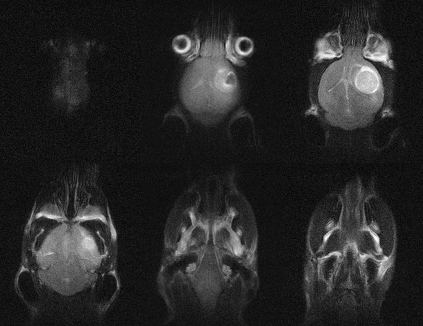
MRI is a leading modality for anatomical and morphological imaging and tissue characterization because of its ability to easily differentiate between soft tissue based on water content as well as other properties of the tissue. With spatial resolution down to 100 µm, the M2™ system provides high-resolution imaging and characterization of soft tissue and organs in vivo for observing and monitoring disease progression in murine models.
Cancer Research
The M2™’s high image contrast allows researchers to visualize anatomy and distinguishing healthy and diseased tissue and organs.
For the cancer researcher, the M2 can visualize, quantify and monitor:
- Soft tissue tumor development and progression
- Tumor metastasis
- Tumor vasculature, permeability and leakiness
- Cellular changes in tumors including characterization of necrosis and cystic development
- Edema and its changes over time
- Anti-cancer therapeutic efficacy in vivo and longitudinally
Obesity and Diabetes Research
The M2™ system easily and non-invasively can assess and quantify fat content and distribution in organs as well as brown fats. As such, the M2™ can also be used for the following obesity and diabetic-related applications:
- Non-invasively determination of the fat fraction to non-invasively characterize brown adipose tissue (BAT) in mice, which can be used to characterize BAT’s involvement in thermogenesis and lipid metabolism
- Assessment of the respective fat contents of liver, pancreas and kidney to help assess inter-organ relationships and the role of fat in phenotypes expressing themselves in these organs
- Quantification of pancreatic and hepatic fat and, in association with metabolic parameters, can illustrate the role of ectopic fat for glucose and lipid metabolism.
In Vitro Imaging
For researchers interested in developing and testing contrast agents, the M2™ system can easily visualize and quantify differences in contrast agent concentration in vitro. A specially-designed microplate probe is available to hold a conventional 96-well plate to facilitate high-throughput in vitro imaging quickly and efficiently.
Molecular Imaging using Contrast Agents
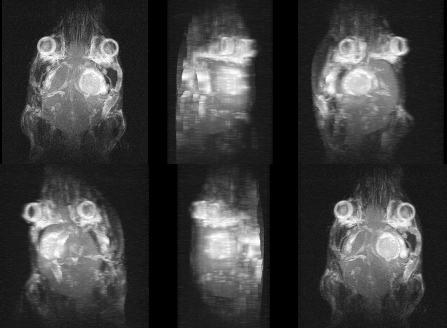
Molecular-based contrast imaging can also compliment the M2's ability to distinguishing cancerous lesions from normal tissues as well as to highlights differences in the vasculature of normal tissue and tumors. The M2 system is ideally suited to take advantage of the higher relaxivity of Gadolinium macromolecular systems at low magnetic fields. In addition, the M2 system can be used to non-invasively track cells such as fibroblasts, immune cells, stem cells, or endothelial progenitor cells in tumors, by labeling these cells with MRI-detectable contrast agents.
3D Ex Vivo Imaging (Histology)
The M2™ is an excellent tool for performing high-throughput, cost-effective 3D imaging of samples ex vivo. As the M2 exports its images in standard DICOM format, they can be easily assembled into a 3D dataset and can also be correlated and co-registered with standard histological slides to provide validation of disease biomarkers and pathobiology studies.
Embryonic Development
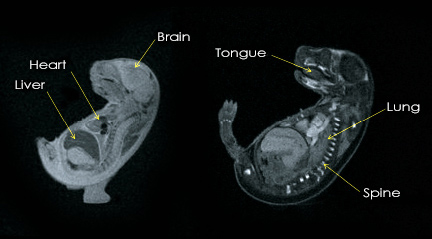
The M2™’s spatial resolution - - down to 50 µ - - and powerful morphological capabilities allows researchers to image and monitor embryonic mouse and rat development in vivo and ex vivo in longitudinal developmental studies.
Molecular Imaging
As the M2™ system has no fringe magnetic field, it can be placed anywhere in a working lab including at a scientist’s benchtop or right next to other imaging modalities like PET, SPECT, CT, optical or ultrasound instruments. This allows researchers to now easily move animals quickly and without perturbation between modalities to perform multi-modality imaging with MRI, which has traditionally been limited due to separation of conventional MR instruments. The power of the M2’s 3D anatomical imaging can now easily be fused with the other modalities to increase the number of imaging biomarkers that can be captured and quantified simultaneously.
Neurobiology
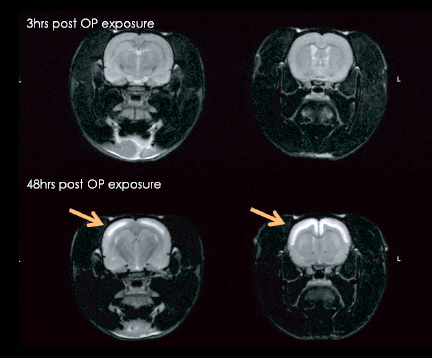
The M2™ system can be used for anatomical imaging of the small animal brain, spine and for development of the neurological-based diseases. In addition, with procedures that provide access to the BBB (Blood brain barrier), the M2™ also provides additional insight into neurological function.
Nephrology
The M2™ provides high-resolution imaging and quantification of kidney morphology in vivo making it a powerful tool for monitoring disease progression and therapeutic efficacy for nephrology-based applications.